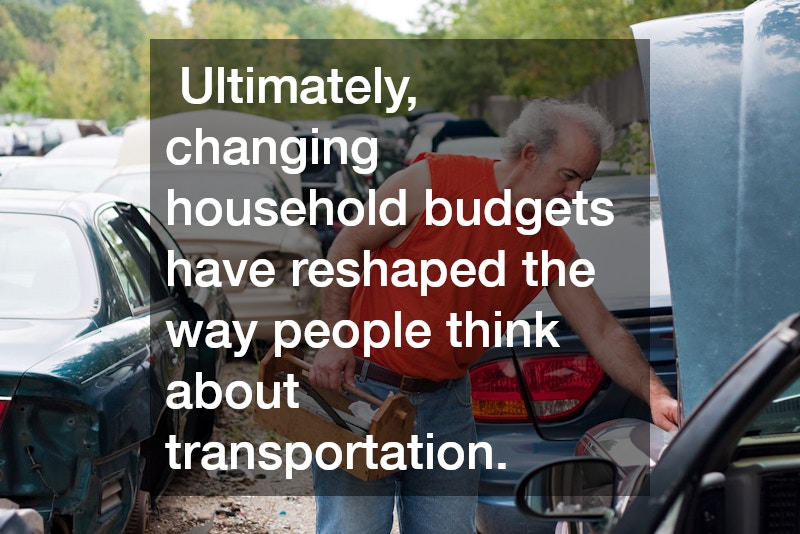

Household budgets have become one of the biggest influences on vehicle buying decisions in recent years. Rising living expenses, higher interest rates, and ongoing economic uncertainty have encouraged many consumers to think more carefully before making a major purchase. Instead of automatically shopping for a brand-new vehicle, more buyers are taking time to compare their options and determine which purchase makes the most financial sense over the long term.
As a result, the used cars market has become an increasingly important part of the automotive industry. Buyers are looking beyond the initial purchase price and considering factors such as reliability, maintenance history, fuel efficiency, insurance costs, and long-term value.
This shift has changed not only how people shop for vehicles but also how dealerships manage inventory and support customers throughout the buying process.
One of the most noticeable changes is that affordability has become a primary consideration for many households. Monthly expenses for housing, groceries, utilities, and healthcare have increased for many families, leaving less flexibility for large discretionary purchases. When consumers begin shopping for a vehicle, they are often balancing transportation needs with other financial priorities.
For many drivers, purchasing a pre-owned vehicle allows them to stay within a comfortable budget while still finding a model that meets their daily needs. Instead of stretching finances to purchase the newest model available, buyers are increasingly focusing on finding dependable transportation that offers practical value.
Another factor influencing the market is financing. Interest rates play a significant role in determining monthly payments, and even modest increases can have a noticeable impact over the life of an auto loan. Consumers are paying closer attention to total ownership costs rather than simply looking at the sticker price.
Because of this, buyers often spend more time researching vehicles before visiting a dealership. Online inventory listings, payment calculators, financing information, and vehicle history reports have become valuable resources during the decision-making process. Many shoppers arrive with a clear understanding of their budget and a list of vehicles that fit both their financial goals and lifestyle requirements.
Vehicle reliability has also become a higher priority than ever before. Buyers want confidence that the vehicle they purchase will continue serving them for years without unexpected repair costs. Regular maintenance records, inspection reports, and documented ownership history help consumers evaluate whether a vehicle represents a sound investment.
Dealerships have responded by placing greater emphasis on inspection processes and transparency. Many now provide detailed vehicle descriptions, history reports when available, and information about maintenance performed before a vehicle is offered for sale. These resources allow shoppers to compare vehicles more effectively and make informed decisions.
Changing consumer preferences have also affected which vehicles remain in highest demand. Sport utility vehicles continue to attract families because of their passenger space and cargo flexibility. Pickup trucks remain popular among homeowners, contractors, and outdoor enthusiasts who value towing and hauling capabilities. At the same time, fuel-efficient sedans continue to appeal to commuters seeking lower operating costs.
Rather than following trends based solely on appearance or technology, many buyers are selecting vehicles based on how well they support everyday life. Cargo capacity, fuel economy, maintenance costs, and overall durability frequently carry more weight than luxury features.
Technology has made the shopping experience more convenient as well. Consumers now expect to browse inventory online, compare specifications, review vehicle photographs, and explore financing options before scheduling a dealership visit. Digital tools have reduced much of the uncertainty that once accompanied vehicle shopping.
This shift benefits both buyers and dealerships. Customers can narrow their choices before arriving, while dealerships have the opportunity to provide detailed information that answers common questions in advance. The result is often a more informed purchasing experience built around research rather than impulse.
The growing importance of trade-ins has also become part of today’s automotive landscape. Many consumers use the value of their current vehicle to offset the cost of their next purchase. Accurate trade-in evaluations help buyers understand their available budget and make more confident financial decisions.
Meanwhile, dealerships continue adapting their inventory strategies to meet evolving demand. Instead of focusing on only one type of vehicle, many maintain diverse selections that include sedans, SUVs, trucks, crossovers, and certified pre-owned models. This broader inventory gives shoppers the flexibility to compare multiple options within their price range instead of limiting themselves to a single model.
The market for used cars has also benefited from improvements in vehicle quality. Modern automobiles are generally built to last longer than previous generations when properly maintained. Advances in manufacturing, engineering, and maintenance practices have increased consumer confidence in purchasing vehicles with higher mileage than buyers may have considered acceptable years ago.
Routine maintenance, improved safety systems, and more durable components have extended the useful lifespan of many vehicles. As a result, shoppers often view well-maintained pre-owned vehicles as practical long-term investments rather than temporary transportation solutions.
Economic conditions will continue influencing buying habits in the years ahead. Inflation, financing costs, fuel prices, and broader market conditions all affect how consumers evaluate vehicle purchases. While these factors may change over time, one trend appears likely to remain consistent: buyers are becoming more deliberate in their decision-making.
Rather than rushing into purchases, consumers are conducting more research, comparing more vehicles, and carefully weighing both short-term affordability and long-term ownership costs. This thoughtful approach encourages greater transparency throughout the automotive industry and rewards dealerships that provide accurate information and dependable service.
Ultimately, changing household budgets have reshaped the way people think about transportation. Practicality, financial planning, and long-term value now influence purchasing decisions as much as style or brand preference. As consumers continue seeking dependable transportation that aligns with their financial goals, the used cars market will remain an essential part of the automotive landscape, offering buyers a wide range of options that balance affordability, reliability, and everyday practicality.