
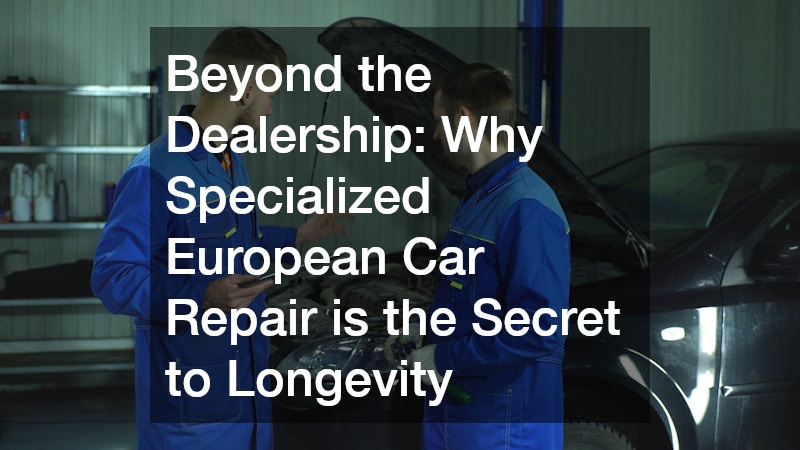
For owners of high-performance European vehicles, the relationship with their car is often built on a foundation of appreciation for precision engineering and superior driving dynamics. Whether you drive a German touring sedan, an Italian sports car, or a Swedish safety-first wagon, these machines require a different level of care than the average commuter vehicle. While many owners default to the dealership for service, often under the impression that it is the only way to maintain a warranty or ensure quality, there is a growing movement toward specialized, independent centers. These facilities offer a more tailored, transparent, and technically focused approach to maintenance.
This comprehensive guide explores why choosing a specialized facility is the ultimate strategy for extending the life of your vehicle. We will dive into the technical nuances of European systems, the importance of brand-specific diagnostics, and how a holistic approach to maintenance, from the intricate electrical modules to the exterior finish, ensures your investment remains a joy to drive for hundreds of thousands of miles. When you step outside the dealership network, you often find technicians who are not just following a corporate script, but are true students of European automotive architecture.
The Technical Nuance of European Engineering
Prioritizing Brand-Specific Diagnostic Tools
European manufacturers often pioneer automotive technology, introducing features like direct injection, complex turbocharged systems, and intricate multi-link suspensions long before they become standard in the broader market. Because these systems are designed with incredibly tight tolerances, a “one size fits all” approach to maintenance usually leads to premature wear or cascading mechanical failures. Seeking out a facility that focuses specifically on European car repair ensures that your technician isn’t just guessing based on general knowledge, but is using the specific software and logic required for your car’s proprietary onboard computers.
This expertise is particularly vital for brands with unique safety and mechanical architectures. For instance, owners seeking local Volvo car repairs need technicians who understand the specific requirements of the City Safety sensors and the unique Haldex All-Wheel Drive systems. A specialist will have the proprietary scan tools necessary to communicate with these modules, tools that a general repair shop often lacks. These tools allow the technician to perform “forced regenerations” on diesel particulate filters or recalibrate steering angle sensors after a suspension alignment, tasks that generic scanners simply cannot execute.
Beyond hardware compatibility, a specialized technician understands the “logic” of European coding. Many components in these vehicles are “VIN-locked,” meaning they must be digitally introduced to the car’s central Gateway module before they will function. A generalist might physically install a part correctly, but without the ability to perform the necessary software handshake, the component will remain dormant. Specialists invest heavily in these subscriptions and interfaces to ensure that every repair is finalized with the correct digital authorization.
-
Advanced Diagnostics: Unlike standard OBD-II readers, specialized European software can access sub-modules for lighting, comfort settings, and advanced engine timing.
-
Component Specificity: European engines often use specific alloys and plastics; a specialist knows which bolts are “stretch bolts” that must be replaced every time they are removed.
-
Software Updates: Many modern European cars receive digital patches that improve fuel efficiency and shifting patterns; specialists stay current on these factory bulletins.
-
Fluid Standards: European cars are notoriously picky about oil and coolant specifications (such as VW 502.00 or BMW LL-01). Using the wrong fluid can lead to sludge or chemical erosion of gaskets.
Mastering the Stopping Power and Glass Integrity
Maintaining High-Performance Safety Systems
The braking systems on European cars are designed for higher heat dissipation and more aggressive friction than domestic counterparts, reflecting their “Autobahn” heritage. When it comes time for brake repair , using generic pads can lead to excessive noise, increased dust, and significantly longer stopping distances. A specialist will utilize European-spec semi-metallic or ceramic compounds that match the original manufacturer’s braking curve, preserving that crisp, firm pedal feel. They also understand that European rotors are often designed to be replaced with the pads, as they are cast from softer iron to provide superior grip.
Safety and structural integrity also extend to your visibility. Modern European vehicles often house rain sensors, humidity sensors, and Lane Departure Warning (LDW) cameras behind the rearview mirror. If you require windshield repair or a total glass replacement, a specialist ensures that the glass is not only optically correct but that the ADAS (Advanced Driver Assistance Systems) are properly recalibrated. Failing to do so can cause your safety features to malfunction, or worse, engage unexpectedly while driving at high speeds. A specialized shop understands the mounting tolerances required to keep these “eyes” of the car focused correctly on the road ahead.
The integration of these systems means that a simple crack in the glass is no longer a purely cosmetic issue. In a European vehicle, the windshield is a structural component that supports the deployment of the passenger airbag and serves as the mounting bracket for a suite of laser and camera sensors. Specialized repair centers use specific resins and glass compounds that maintain the structural rigidity of the frame while ensuring zero optical distortion for the cameras. This level of detail prevents the “ghosting” effects that often plague generic glass replacements in high-tech vehicles.
-
Friction Match: European pads are designed to work in a specific temperature range; a specialist ensures your replacements don’t “fade” during spirited driving.
-
Sensor Integration: Modern brakes include wear sensors that must be replaced alongside the pads to prevent false dashboard warnings.
-
Optical Calibration: After a glass repair, specialized targets are used to ensure the camera’s field of vision aligns with the vehicle’s centerline.
-
Hydraulic Integrity: European manufacturers recommend a brake fluid flush every two years to remove moisture that can corrode the expensive ABS/DSC pump.
Protecting the Structural and Aesthetic Investment
Choosing the Right Restoration Partners
Precision engineering isn’t limited to the engine; it is built into the chassis and the paint. If your vehicle is involved in a collision, taking it to a specialized auto body shop is essential. European cars often utilize “crumple zones” and mixed-material construction, such as aluminum-to-steel bonding or carbon-fiber-reinforced plastic, that require specific welding techniques and frame alignment data provided only by the manufacturer. A general shop might pull a frame into what “looks” straight, but a specialist uses laser-guided measurements to ensure the car’s structural safety is restored to 100% of its factory rating.
Quality auto body work also involves matching complex factory finishes. Many European brands use multi-stage pearl or metallic paints that are notoriously difficult to replicate. A specialized shop will use factory-approved paint lines (such as Glasurit or Standox) to ensure that the repair is invisible to the naked eye. This is a massive factor in maintaining the vehicle’s resale value over time. When a savvy buyer sees mismatched orange peel or a slight color shift on a fender, the value of the car plummets. A specialist ensures the texture and depth of the clear coat match the rest of the vehicle perfectly.
Furthermore, specialized body shops understand the importance of corrosion protection that is unique to European standards. Many German vehicles undergo an extensive zinc-plating or “galvanizing” process during manufacturing. If a repair technician sands down to bare metal without properly reapplying these specific chemical primers and cavity waxes, the vehicle will begin to rust from the inside out within a few seasons. A dedicated specialist replicates the factory’s anti-corrosion layers to ensure the structural longevity of the metal remains intact for decades.
-
Structural Bonding: Many European cars use structural adhesives in addition to welds; specialized shops have the specific tools to replicate these factory bonds.
-
Aluminum Expertise: Repairing aluminum panels requires a dedicated clean room to prevent cross-contamination with steel dust, which causes “galvanic corrosion.”
-
Paint Chemistry: European finishes are often water-borne and require specific drying cycles to achieve the hard, durable shell found on a factory Audi or Mercedes.
-
Resale Protection: Quality body work is documented and searchable; using a specialist ensures the vehicle’s history report reflects high-standard repairs.
Smart Acquisitions and Emergency Logistics
Evaluating New Purchases and Roadside Support
Maintaining longevity often starts before you even take delivery of the keys. When shopping for used cars , a standard “look over” by a friend or a general mechanic isn’t enough. You should invest in professional auto inspections performed by a European specialist. They know the common failure points, such as plastic cooling system components that become brittle with age or timing chain tensioners that show early signs of stretch, that would be invisible to a generalist but could cost thousands shortly after purchase. A specialist can also “read” the car’s history through its various computer modules, detecting if a previous owner cleared a major error code just before putting the car up for sale.
Even with perfect maintenance, emergencies happen. Because European cars often have lower ground clearance and sensitive All-Wheel Drive systems, they cannot be “dragged” by a standard hook-truck without risking severe transmission or differential damage. Using a specialized towing service that utilizes flatbed trucks is non-negotiable. This ensures the vehicle’s drivetrain remains protected and that the front air dams or side skirts aren’t damaged during the loading process. A specialist tow operator knows the specific tow-eye locations hidden behind bumper covers, ensuring no stress is placed on the suspension components during transit to the repair facility.
Proper logistics also involve understanding the “Transport Mode” settings found in many European ECUs. When a car is being towed, certain electronic parking brakes or air suspension systems must be put into a specific service mode to prevent the computer from fighting the tow truck’s movements. Specialized tow operators work in tandem with repair shops to ensure that the car’s electronics aren’t confused by the transit process, preventing a cascade of “fault” codes that would otherwise require a trip to the shop to reset.
-
Electronic Forensics: During an inspection, a specialist can check “shadow codes” that don’t trigger a dashboard light but indicate intermittent faults.
-
PPI Value: A Pre-Purchase Inspection (PPI) often pays for itself by providing a list of needed repairs that can be used to negotiate a lower sale price.
-
Flatbed Priority: Always insist on a flatbed to avoid “windmilling” the transmission, which can cause overheating in an unlubricated gearbox.
-
Roadside Precision: Specialized tow operators carry the correct “soft straps” to avoid scratching expensive alloy wheels during tie-down.
The Long-Term Maintenance Mindset
Scheduling Proactive Component Replacements
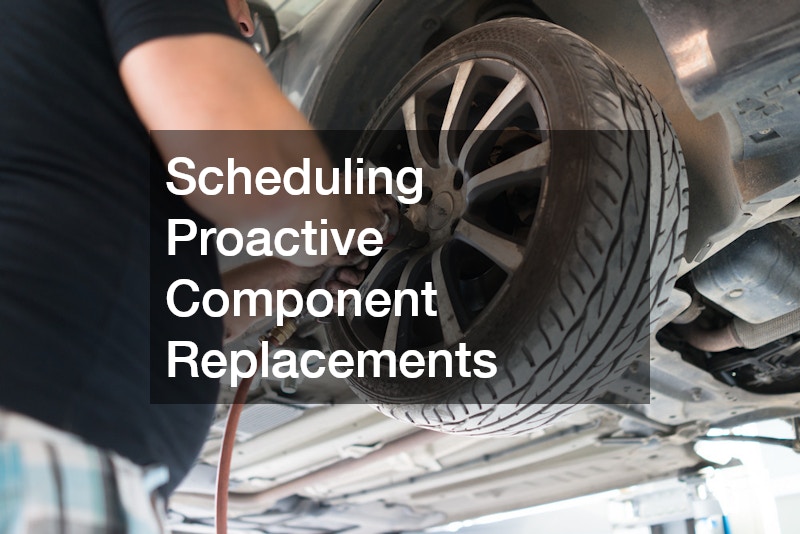
The secret to 200,000-mile longevity is moving beyond a “break-fix” mentality to proactive car repairs . European cars are built with “serviceable intervals” for components that domestic manufacturers might label as “lifetime.” For example, replacing transmission fluid and differential oils every 60,000 miles, even if the owner’s manual claims it is a “lifetime fill,” can prevent a $7,000 gearbox failure down the road. A specialist understands the chemical breakdown of these fluids and will recommend changes based on real-world conditions rather than corporate marketing.
Comprehensive car repairs in the European sector also involve “preventative kit” replacements. If a water pump fails, a specialist will often recommend replacing the thermostat, the expansion tank, and the serpentine belt at the same time, as the labor is already overlapping. This “while you’re in there” philosophy reduces the total number of shop visits and ensures that once a system is touched, it is completely refreshed. This approach keeps the car in a constant state of peak performance, preventing the “cascading failure” effect where one old part puts stress on a new part, leading to a cycle of endless repairs.
-
Cooling System Overhaul: Many European brands use plastic cooling components that should be replaced every 80k-100k miles as a preventative measure.
-
Bushing Care: European handling relies on complex rubber-to-metal bushings; replacing these before they tear keeps the car feeling “factory fresh.”
-
Oil Analysis: Specialists can send an oil sample to a lab to detect early signs of bearing wear or fuel dilution before a catastrophic engine failure occurs.
-
Service Documentation: A detailed binder of specialized care significantly increases the car’s value when it is eventually time to sell or trade.
Choosing specialized European car repair is an investment in the soul and the longevity of your vehicle. By bypassing the generic “big box” service centers and the high-overhead dealerships, you find a middle ground of expertise and value that prioritizes the car’s health above all else. When your vehicle is treated with the precision it was designed with, it rewards you with better fuel economy, higher safety ratings, and that unmistakable “new car” feeling long after the odometer has climbed into six digits.
Your car was engineered to be extraordinary; it was designed for the high-speed challenges of Europe and the demanding expectations of the world’s most discerning drivers. Make sure the hands that maintain it are equally exceptional. By finding a specialist who understands the “why” behind the engineering, you ensure that your European masterpiece continues to perform at its peak for years to come. Act with foresight, maintain with precision, and enjoy the drive.
For owners of high-performance European vehicles, the relationship with their car is often built on a foundation of appreciation for precision engineering and superior driving dynamics. Whether you drive a German touring sedan, an Italian sports car, or a Swedish safety-first wagon, these machines require a different level of care than the average commuter vehicle. While many owners default to the dealership for service, often under the impression that it is the only way to maintain a warranty or ensure quality, there is a growing movement toward specialized, independent centers. These facilities offer a more tailored, transparent, and technically focused approach to maintenance.
This comprehensive guide explores why choosing a specialized facility is the ultimate strategy for extending the life of your vehicle. We will dive into the technical nuances of European systems, the importance of brand-specific diagnostics, and how a holistic approach to maintenance, from the intricate electrical modules to the exterior finish, ensures your investment remains a joy to drive for hundreds of thousands of miles. When you step outside the dealership network, you often find technicians who are not just following a corporate script, but are true students of European automotive architecture.
The Technical Nuance of European Engineering
Prioritizing Brand-Specific Diagnostic Tools
European manufacturers often pioneer automotive technology, introducing features like direct injection, complex turbocharged systems, and intricate multi-link suspensions long before they become standard in the broader market. Because these systems are designed with incredibly tight tolerances, a “one size fits all” approach to maintenance usually leads to premature wear or cascading mechanical failures. Seeking out a facility that focuses specifically on European car repair ensures that your technician isn’t just guessing based on general knowledge, but is using the specific software and logic required for your car’s proprietary onboard computers.
This expertise is particularly vital for brands with unique safety and mechanical architectures. For instance, owners seeking local Volvo car repairs need technicians who understand the specific requirements of the City Safety sensors and the unique Haldex All-Wheel Drive systems. A specialist will have the proprietary scan tools necessary to communicate with these modules, tools that a general repair shop often lacks. These tools allow the technician to perform “forced regenerations” on diesel particulate filters or recalibrate steering angle sensors after a suspension alignment, tasks that generic scanners simply cannot execute.
Beyond hardware compatibility, a specialized technician understands the “logic” of European coding. Many components in these vehicles are “VIN-locked,” meaning they must be digitally introduced to the car’s central Gateway module before they will function. A generalist might physically install a part correctly, but without the ability to perform the necessary software handshake, the component will remain dormant. Specialists invest heavily in these subscriptions and interfaces to ensure that every repair is finalized with the correct digital authorization.
-
Advanced Diagnostics: Unlike standard OBD-II readers, specialized European software can access sub-modules for lighting, comfort settings, and advanced engine timing.
-
Component Specificity: European engines often use specific alloys and plastics; a specialist knows which bolts are “stretch bolts” that must be replaced every time they are removed.
-
Software Updates: Many modern European cars receive digital patches that improve fuel efficiency and shifting patterns; specialists stay current on these factory bulletins.
-
Fluid Standards: European cars are notoriously picky about oil and coolant specifications (such as VW 502.00 or BMW LL-01). Using the wrong fluid can lead to sludge or chemical erosion of gaskets.
Mastering the Stopping Power and Glass Integrity
Maintaining High-Performance Safety Systems
The braking systems on European cars are designed for higher heat dissipation and more aggressive friction than domestic counterparts, reflecting their “Autobahn” heritage. When it comes time for brake repair , using generic pads can lead to excessive noise, increased dust, and significantly longer stopping distances. A specialist will utilize European-spec semi-metallic or ceramic compounds that match the original manufacturer’s braking curve, preserving that crisp, firm pedal feel. They also understand that European rotors are often designed to be replaced with the pads, as they are cast from softer iron to provide superior grip.
Safety and structural integrity also extend to your visibility. Modern European vehicles often house rain sensors, humidity sensors, and Lane Departure Warning (LDW) cameras behind the rearview mirror. If you require windshield repair or a total glass replacement, a specialist ensures that the glass is not only optically correct but that the ADAS (Advanced Driver Assistance Systems) are properly recalibrated. Failing to do so can cause your safety features to malfunction, or worse, engage unexpectedly while driving at high speeds. A specialized shop understands the mounting tolerances required to keep these “eyes” of the car focused correctly on the road ahead.
The integration of these systems means that a simple crack in the glass is no longer a purely cosmetic issue. In a European vehicle, the windshield is a structural component that supports the deployment of the passenger airbag and serves as the mounting bracket for a suite of laser and camera sensors. Specialized repair centers use specific resins and glass compounds that maintain the structural rigidity of the frame while ensuring zero optical distortion for the cameras. This level of detail prevents the “ghosting” effects that often plague generic glass replacements in high-tech vehicles.
-
Friction Match: European pads are designed to work in a specific temperature range; a specialist ensures your replacements don’t “fade” during spirited driving.
-
Sensor Integration: Modern brakes include wear sensors that must be replaced alongside the pads to prevent false dashboard warnings.
-
Optical Calibration: After a glass repair, specialized targets are used to ensure the camera’s field of vision aligns with the vehicle’s centerline.
-
Hydraulic Integrity: European manufacturers recommend a brake fluid flush every two years to remove moisture that can corrode the expensive ABS/DSC pump.
Protecting the Structural and Aesthetic Investment
Choosing the Right Restoration Partners
Precision engineering isn’t limited to the engine; it is built into the chassis and the paint. If your vehicle is involved in a collision, taking it to a specialized auto body shop is essential. European cars often utilize “crumple zones” and mixed-material construction, such as aluminum-to-steel bonding or carbon-fiber-reinforced plastic, that require specific welding techniques and frame alignment data provided only by the manufacturer. A general shop might pull a frame into what “looks” straight, but a specialist uses laser-guided measurements to ensure the car’s structural safety is restored to 100% of its factory rating.
Quality auto body work also involves matching complex factory finishes. Many European brands use multi-stage pearl or metallic paints that are notoriously difficult to replicate. A specialized shop will use factory-approved paint lines (such as Glasurit or Standox) to ensure that the repair is invisible to the naked eye. This is a massive factor in maintaining the vehicle’s resale value over time. When a savvy buyer sees mismatched orange peel or a slight color shift on a fender, the value of the car plummets. A specialist ensures the texture and depth of the clear coat match the rest of the vehicle perfectly.
Furthermore, specialized body shops understand the importance of corrosion protection that is unique to European standards. Many German vehicles undergo an extensive zinc-plating or “galvanizing” process during manufacturing. If a repair technician sands down to bare metal without properly reapplying these specific chemical primers and cavity waxes, the vehicle will begin to rust from the inside out within a few seasons. A dedicated specialist replicates the factory’s anti-corrosion layers to ensure the structural longevity of the metal remains intact for decades.
-
Structural Bonding: Many European cars use structural adhesives in addition to welds; specialized shops have the specific tools to replicate these factory bonds.
-
Aluminum Expertise: Repairing aluminum panels requires a dedicated clean room to prevent cross-contamination with steel dust, which causes “galvanic corrosion.”
-
Paint Chemistry: European finishes are often water-borne and require specific drying cycles to achieve the hard, durable shell found on a factory Audi or Mercedes.
-
Resale Protection: Quality body work is documented and searchable; using a specialist ensures the vehicle’s history report reflects high-standard repairs.
Smart Acquisitions and Emergency Logistics
Evaluating New Purchases and Roadside Support

Maintaining longevity often starts before you even take delivery of the keys. When shopping for used cars , a standard “look over” by a friend or a general mechanic isn’t enough. You should invest in professional auto inspections performed by a European specialist. They know the common failure points, such as plastic cooling system components that become brittle with age or timing chain tensioners that show early signs of stretch, that would be invisible to a generalist but could cost thousands shortly after purchase. A specialist can also “read” the car’s history through its various computer modules, detecting if a previous owner cleared a major error code just before putting the car up for sale.
Even with perfect maintenance, emergencies happen. Because European cars often have lower ground clearance and sensitive All-Wheel Drive systems, they cannot be “dragged” by a standard hook-truck without risking severe transmission or differential damage. Using a specialized towing service that utilizes flatbed trucks is non-negotiable. This ensures the vehicle’s drivetrain remains protected and that the front air dams or side skirts aren’t damaged during the loading process. A specialist tow operator knows the specific tow-eye locations hidden behind bumper covers, ensuring no stress is placed on the suspension components during transit to the repair facility.
Proper logistics also involve understanding the “Transport Mode” settings found in many European ECUs. When a car is being towed, certain electronic parking brakes or air suspension systems must be put into a specific service mode to prevent the computer from fighting the tow truck’s movements. Specialized tow operators work in tandem with repair shops to ensure that the car’s electronics aren’t confused by the transit process, preventing a cascade of “fault” codes that would otherwise require a trip to the shop to reset.
-
Electronic Forensics: During an inspection, a specialist can check “shadow codes” that don’t trigger a dashboard light but indicate intermittent faults.
-
PPI Value: A Pre-Purchase Inspection (PPI) often pays for itself by providing a list of needed repairs that can be used to negotiate a lower sale price.
-
Flatbed Priority: Always insist on a flatbed to avoid “windmilling” the transmission, which can cause overheating in an unlubricated gearbox.
-
Roadside Precision: Specialized tow operators carry the correct “soft straps” to avoid scratching expensive alloy wheels during tie-down.
The Long-Term Maintenance Mindset
Scheduling Proactive Component Replacements
The secret to 200,000-mile longevity is moving beyond a “break-fix” mentality to proactive car repairs . European cars are built with “serviceable intervals” for components that domestic manufacturers might label as “lifetime.” For example, replacing transmission fluid and differential oils every 60,000 miles, even if the owner’s manual claims it is a “lifetime fill,” can prevent a $7,000 gearbox failure down the road. A specialist understands the chemical breakdown of these fluids and will recommend changes based on real-world conditions rather than corporate marketing.
Comprehensive car repairs in the European sector also involve “preventative kit” replacements. If a water pump fails, a specialist will often recommend replacing the thermostat, the expansion tank, and the serpentine belt at the same time, as the labor is already overlapping. This “while you’re in there” philosophy reduces the total number of shop visits and ensures that once a system is touched, it is completely refreshed. This approach keeps the car in a constant state of peak performance, preventing the “cascading failure” effect where one old part puts stress on a new part, leading to a cycle of endless repairs.
-
Cooling System Overhaul: Many European brands use plastic cooling components that should be replaced every 80k-100k miles as a preventative measure.
-
Bushing Care: European handling relies on complex rubber-to-metal bushings; replacing these before they tear keeps the car feeling “factory fresh.”
-
Oil Analysis: Specialists can send an oil sample to a lab to detect early signs of bearing wear or fuel dilution before a catastrophic engine failure occurs.
-
Service Documentation: A detailed binder of specialized care significantly increases the car’s value when it is eventually time to sell or trade.
Choosing specialized European car repair is an investment in the soul and the longevity of your vehicle. By bypassing the generic “big box” service centers and the high-overhead dealerships, you find a middle ground of expertise and value that prioritizes the car’s health above all else. When your vehicle is treated with the precision it was designed with, it rewards you with better fuel economy, higher safety ratings, and that unmistakable “new car” feeling long after the odometer has climbed into six digits.
Your car was engineered to be extraordinary; it was designed for the high-speed challenges of Europe and the demanding expectations of the world’s most discerning drivers. Make sure the hands that maintain it are equally exceptional. By finding a specialist who understands the “why” behind the engineering, you ensure that your European masterpiece continues to perform at its peak for years to come. Act with foresight, maintain with precision, and enjoy the drive.
