Being involved in a vehicle accident can be stressful, especially when your car suffers visible damage or develops problems that affect its performance. Whether the collision results in minor dents, scratched paint, or significant structural damage, restoring your vehicle requires careful attention and professional repairs. Understanding the restoration process can help you make informed decisions and feel more confident about getting your vehicle back on the road.
A professional auto body shop provides various services designed to repair collision damage and restore a vehicle’s appearance, structural integrity, and functionality. From initial inspections to final quality checks, each stage of the repair process plays an important role in achieving satisfactory results.
Learning what happens during these repairs can help vehicle owners understand the work involved and why certain procedures are necessary.
Assessing the Extent of Collision Damage
The first step in restoring a vehicle after an accident involves thoroughly assessing the damage. While some problems are immediately noticeable, others may remain hidden beneath exterior panels or within the vehicle’s structural components. A detailed inspection helps technicians identify areas requiring attention and develop an appropriate repair plan.
During the initial assessment, technicians examine the vehicle’s exterior for dents, scratches, cracks, and damaged panels. They also inspect areas that may have absorbed the force of the collision, including bumpers, support structures, and mounting points. Depending on the severity of the accident, additional evaluations may be necessary to determine whether the frame or other structural components have been affected.
Modern vehicles often contain advanced sensors, cameras, and electronic systems that support safety features. Even relatively minor collisions can disrupt these components, making diagnostic evaluations an important part of the inspection process. Technicians may use specialized equipment to identify electronic faults and determine whether certain systems require repairs or recalibration.
Once the inspection is complete, the repair facility prepares an estimate outlining the necessary work, replacement parts, and anticipated costs. This information allows vehicle owners to review the proposed repairs and coordinate with their insurance providers when applicable. Additional damage discovered during disassembly may require adjustments to the original estimate.
Repairing Structural Damage and Exterior Components
After identifying the damage, technicians begin restoring the affected structural and exterior components. The specific procedures depend on the collision’s severity, the vehicle’s construction, and the manufacturer’s repair recommendations. Proper repairs are particularly important when damage involves components designed to protect occupants during an accident.
Structural repairs may involve measuring the vehicle’s frame or unibody to determine whether its dimensions remain within manufacturer specifications. Specialized measuring systems and repair equipment help technicians identify misalignment and perform approved corrective procedures. Some damaged structural components must be replaced rather than straightened, depending on their materials and the manufacturer’s requirements.
Exterior repairs typically address damaged doors, fenders, bumpers, hoods, and other body panels. Minor dents may be corrected through conventional repair techniques or paintless dent repair when the damage meets specific conditions. More extensive damage may require replacing individual panels to restore the vehicle’s original shape and functionality.
A qualified auto body shop follows applicable repair procedures and considers how different materials respond to collision forces. Modern vehicles may incorporate aluminum, high-strength steel, and composite materials, each requiring specific equipment and techniques. Using appropriate methods helps preserve the vehicle’s intended structural characteristics and supports the effectiveness of its safety systems.
Restoring Paint and Exterior Appearance
Once structural and body repairs are complete, attention shifts toward restoring the vehicle’s exterior finish. Paint damage is common after collisions and may range from superficial scratches to exposed metal or damaged protective coatings. Addressing these issues helps improve the vehicle’s appearance while protecting repaired surfaces from environmental exposure.
The refinishing process generally begins with surface preparation. Technicians clean the affected areas, remove damaged coatings when necessary, and prepare the surfaces for additional treatments. Depending on the repair, this may involve sanding, applying approved fillers, and using primers to create a suitable foundation for paint.
Matching the existing paint color is another important consideration. Vehicle manufacturers use specific paint codes, but factors such as age, sunlight exposure, and previous repairs can influence how the original finish appears. Technicians may use computerized color-matching systems and spray-out samples to achieve a closer visual match.
After selecting the appropriate color, technicians apply the required paint layers using equipment designed for automotive refinishing. Clear coats provide additional protection and contribute to the finish’s gloss and durability. Proper application and curing procedures help create a consistent appearance across repaired surfaces.
Blending techniques may also be necessary when refinishing panels adjacent to the damaged area. These methods help minimize noticeable differences between newly painted sections and the surrounding finish. The goal is to create a visually consistent result without unnecessary refinishing.
Performing Safety Inspections and Final Quality Checks
Restoring a vehicle involves more than repairing visible damage. Before returning the car to its owner, technicians must evaluate whether the completed repairs meet applicable safety and quality requirements. This stage helps identify concerns that could affect vehicle operation or the performance of important systems.
Depending on the collision and repairs performed, technicians may inspect lighting systems, door mechanisms, seat belt components, and other safety-related equipment. Vehicles equipped with advanced driver assistance systems may require camera or sensor calibration following certain repairs. These procedures should follow manufacturer specifications to support proper system operation.
Wheel alignment and suspension inspections may also be necessary when an accident affects the vehicle’s wheels or undercarriage. Damage to these components can influence steering response, tire wear, and overall handling. Addressing these concerns helps restore predictable driving characteristics.
Final quality checks typically include examining repaired panels, verifying component alignment, and confirming that replacement parts are securely installed. Technicians may also review diagnostic information to identify unresolved electronic issues. When appropriate, a road test can help evaluate the vehicle’s operation under normal driving conditions.
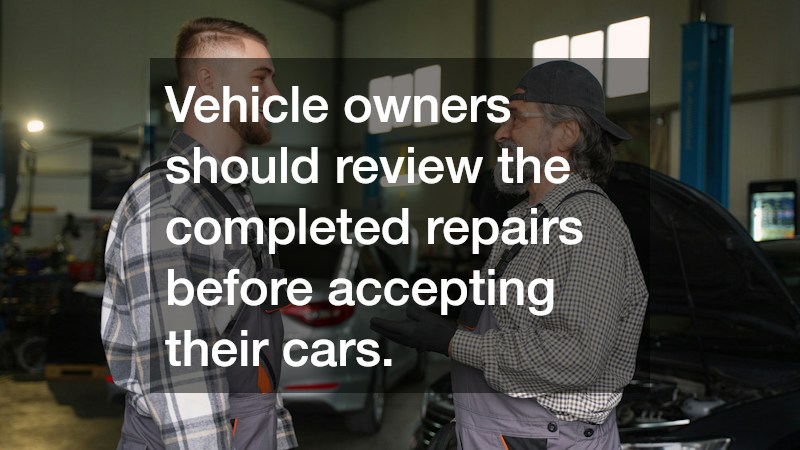
Vehicle owners should review the completed repairs before accepting their cars. Asking questions about the work performed, replacement parts, warranties, and recommended follow-up procedures can provide additional clarity. Keeping repair documentation is also helpful for future maintenance, insurance matters, and vehicle records.
Recovering from a vehicle accident often involves several repair stages, each contributing to the restoration process. Thorough damage assessments, appropriate structural repairs, professional refinishing, and comprehensive quality checks help address both visible damage and underlying concerns. Understanding these procedures allows vehicle owners to approach collision repairs with realistic expectations.
Choosing an experienced auto body shop can help ensure that repairs are performed using appropriate equipment, materials, and manufacturer-recommended procedures. By prioritizing structural integrity, safety systems, and exterior appearance, professional collision repair services can help return a damaged vehicle to a safe, functional, and visually appealing condition.