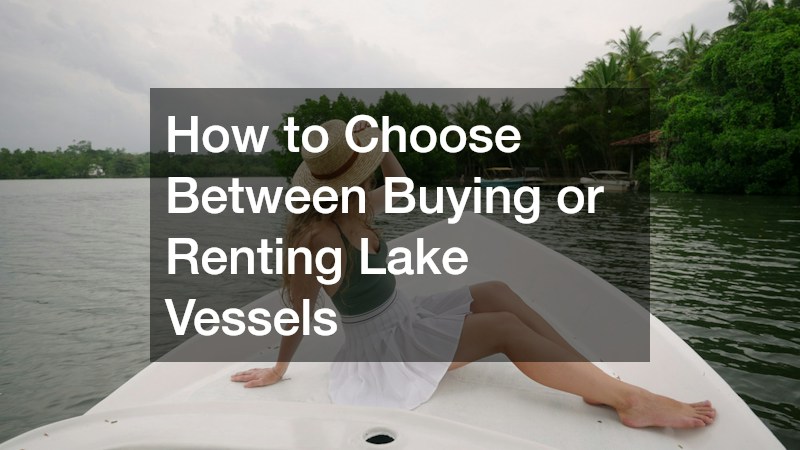
The lure of lake life is undeniable. Crisp morning air over glassy water, afternoon watersports with family, and slow sunset cruises around the bay represent the quintessence of summer relaxation. However, before you can enjoy those picture-perfect moments, every aspiring lake enthusiast faces a fundamental decision: Should you buy your own watercraft, or should you rely on seasonal rentals?
Both paths offer a gateway to the water, but they cater to very different lifestyles, financial priorities, and levels of commitment. Buying delivers ultimate freedom, total customization, and the pride of ownership, but it comes with capital expenditure, ongoing maintenance, and off-season storage duties. Renting offers a low-friction, walk-away experience with zero mechanical responsibilities, yet it limits your flexibility during peak weekends and can quickly become expensive if you spend dozens of days on the water each year. Deciding between the two requires a clear-eyed evaluation of how often you will actually be on the lake, what your long-term budget looks like, and how your waterfront property is equipped to handle a vessel.
Assessing Your Lake Lifestyle and Frequency of Use
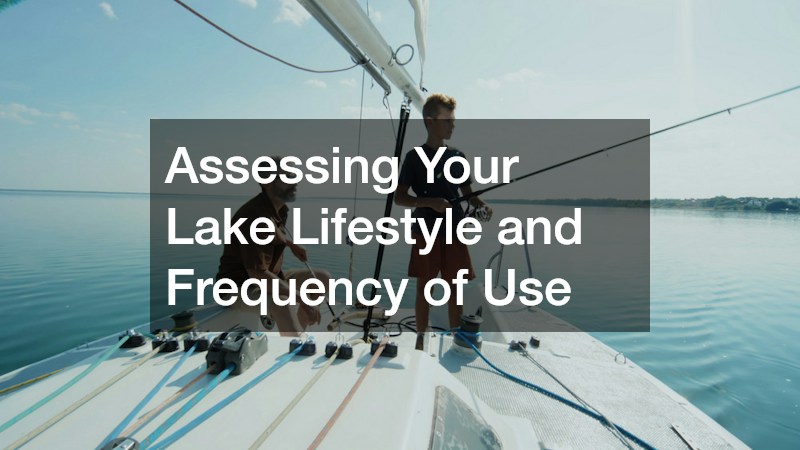
Prior to diving into the world of real estate prices or getting lost in online listings, it’s imperative to engage in a candid evaluation of how you spend your leisure time. This step is crucial because the most significant determinant in the decision-making process between purchasing or renting a watercraft hinges on your anticipated hours spent enjoying the lake. A common pitfall for many potential buyers is overestimating the amount of time they’ll actually spend on lake activities. It’s easy to overlook the myriad commitments that might reduce these lake hours, such as summer travel plans, children’s weekend sports schedules, inclement weather conditions, and other social obligations that compete for your attention and time.
In the recreational boating industry, there’s a well-recognized benchmark to help guide such decisions: the pivotal threshold between opting to rent or own a boat generally lies within the range of 30 to 40 hours of actual usage on the water per season. Should your anticipated time fall below this crucial threshold, choosing to rent is almost invariably the more financially savvy option.
When delving into the specifics of your personal lifestyle needs and how they relate to lake use, it’s important to contemplate some key factors that will ultimately shape your usage patterns:
- Spontaneity versus Planning: Contemplate whether you relish the freedom to make spontaneous decisions, such as setting sail at 6:00 AM on an idyllic Tuesday morning, savoring the solitude before the workday begins. Boat owners enjoy the liberty to simply unhook their vessel and embark on the water at their leisure. In contrast, renters are typically bound by the operational hours of marinas, must adhere to reservation systems, and often face minimum time quotas imposed by rental agreements.
- Peak Season Availability: Popular lake destinations can become exceedingly crowded during high-demand periods, especially on nationally recognized holidays such as Memorial Day, the Fourth of July, and Labor Day. While boat owners benefit from unhindered access to the lake during these times, renters may find themselves needing to secure reservations several months in advance, contending with heightened rental rates, or adhering to stringent multi-day minimum rental durations just to ensure a slot.
- Testing Different Hull Designs: If you’re still in the exploratory phase of determining which aquatic activities provide the most enjoyment for you and your family, renting becomes a strategic choice. It affords you the opportunity to sample diverse types of hull designs each weekend, gaining broader exposure without commitment. For instance, you might choose a standard boat rental for a relaxed day dedicated to family gatherings, swimming, and leisurely cruising. On alternate weekends, you could opt to experience a tritoon rental, geared for more dynamic activities like wakeboarding or mastering larger water bodies affected by wind, thereby sampling the superior tracking offered by three-log aluminum constructions as opposed to traditional double-hull formats.
Financial Realities: Upfront Capital versus Long-Term Equity
Understanding the full financial picture requires looking beyond the sticker price or the daily rental fee. A realistic comparison pits upfront capital expenditure and multi-year depreciation against the predictable operational expense of pay-as-you-go renting.
When you purchase a vessel, your investment extends beyond the base price. You must account for sales tax, registration fees, trailer costs, comprehensive insurance policies, and loan interest if financing. Depreciation is another crucial variable. Brand-new watercraft typically experience their steepest value drop in the first two to three years, after which the curve flattens significantly if the vessel is well-maintained.
Navigating this financial landscape effectively involves weighing several purchasing pathways:
- Dealership Support and Guarantees: Purchasing through established boat dealers provides structural advantages that private-party sales cannot match, such as factory-backed warranties, structured trade-in options, and access to certified service departments.
- Model Selection and Customization: Buying a new pontoon boat ensures you get modern hull engineering, full factory warranty coverage, and the exact floor plan, luxury upholstery, and outboard engine package tailored to your entertainment needs. However, that new-model reliability carries the highest initial financial commitment.
- The Renting Capital Advantage: Renting requires zero initial capital outlay. Your funds remain liquid and invested elsewhere. For individuals who only spend three or four weekends a year at a lake house, spending a few thousand dollars annually on seasonal rentals is vastly cheaper than absorbing $10,000 to $15,000 annually in ownership depreciation, insurance, and storage costs.
The Ongoing Maintenance and Storage Equation
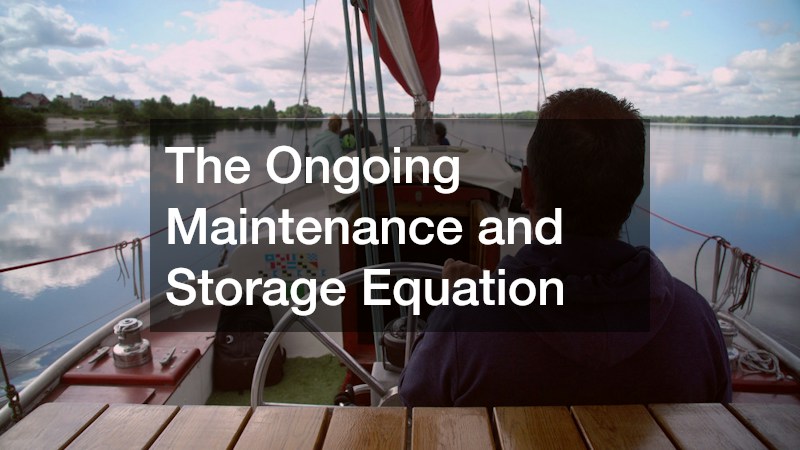
The headline cost of a vessel is only the down payment on its total lifetime expense. Operating a motorized craft in an environment full of moisture, algae, fuel system challenges, and mechanical strain requires ongoing maintenance, seasonal preservation, and proper storage solutions.
If you choose ownership, you become the chief operating officer of your vessel’s mechanical health. In freshwater environments, seasonal maintenance includes engine oil changes, gear lube updates, battery upkeep, hull washing, and comprehensive autumn winterization to prevent freeze damage in the block. Furthermore, off-season storage requires either a dedicated trailer in your driveway, a rented spot at a dry-stack facility, or a winterization slip package at a local marina.
To manage these ongoing operational requirements, owners rely on specialized marine services:
- Unplanned Repairs: Even well-maintained engines experience sensor failures, propeller strikes, or electrical glitches. Setting aside an annual reserve fund for boat repair ensures that unexpected mechanical issues do not derail your summer budget or leave you stranded at the dock.
- Dockside Lift Maintenance: Storing a vessel in the water long-term leads to hull fouling, severe algae growth, and hardware corrosion. To keep the hull pristine, owners install mechanical lifts. Partnering with a reliable boat lift service is critical to ensure your lift cables, cradle alignment, electric motors, and control units are periodically inspected and greased for smooth operation.
- The Renter’s Maintenance Exemption: The primary luxury of renting is the complete absence of maintenance labor and expense. If an engine warning light turns on or a steering cable binds, it is the marina’s problem to fix, not yours. You simply return the keys at the end of your session and walk away.
Upgrading On-Water Comfort and Handling Performance
The physical experience of navigating a lake changes dramatically depending on boat design, water traffic, and mechanical enhancements. Modern busy lakes often develop intense chop created by large wake boats and high-density weekend traffic, turning a relaxing afternoon into a bumpy, exhausting ride if your vessel lacks proper equipment.
When you rent, you generally receive a standardized, factory-stock vessel configured for durability and ease of operation rather than high-end performance. Owners, on the other hand, have the power to upgrade their craft with specialized hardware that enhances ride quality, driver confidence, and passenger comfort.
Key performance and stability considerations include:
- Mitigating Rough Water Motion: On heavily congested bodies of water, rolling motion at anchor or severe lean during tight turns can make passengers uncomfortable. Outfitting an owned vessel with advanced boat stabilization equipment—such as gyroscopic stabilizers, automatic trim tabs, or specialized performance fins—drastically reduces side-to-side sway and smooths out hull impact across heavy wake.
- Handling and Power Matching: Owners can configure their engine horsepower to match their exact activity profile, whether that means cruising at low RPMs for fuel economy or adding twin high-horsepower engines for long-distance lake runs.
- Ergonomics and Onboard Technology: From touchscreen helm displays and GPS chartplotters to upgraded power-steering systems and premium stereo packages, owner-operated craft offer a level of refined comfort and operational precision that rental fleets rarely provide.
Preparing Your Waterfront Property for Seamless Access
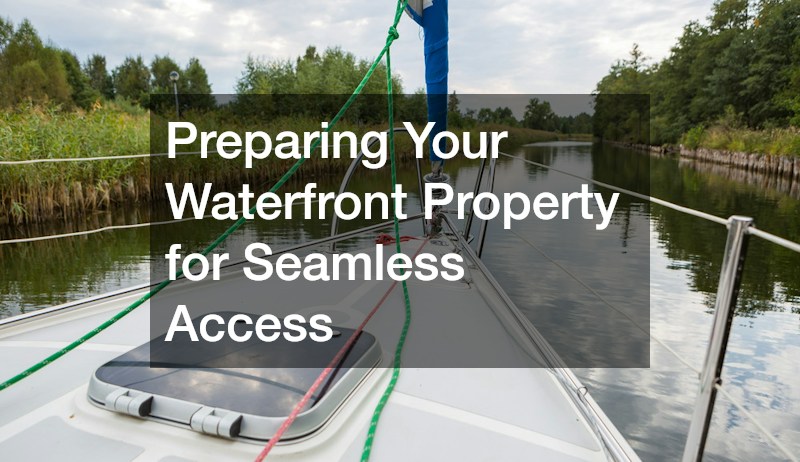
If you own or rent a lakefront home, how you transition from your back porch to the water plays a massive role in your overall experience. Shoreline geometry, water depth, local zoning regulations, and physical infrastructure determine how efficiently you can dock, load, and protect a vessel.
For renters, dock requirements are minimal. You might only need a temporary tie-up space or a simple floating dock section where a rental craft can be secured for a few hours while loading coolers and passengers. For owners, shoreline infrastructure is a serious investment that directly impacts both vessel longevity and property value.
When optimizing your waterfront access, consider these critical structural steps:
- Evaluating Shoreline Conditions: Before installing permanent structures, you must account for seasonal water level fluctuations, prevailing wind exposure, bottom composition, and environmental permitting rules.
- Hiring Shoreline Builders: Designing a safe, long-lasting dock and walkway transition requires specialized expertise. Hiring a qualified deck contractor guarantees that your waterfront structures meet local building codes, handle heavy wave action, and use materials rated for submersed or high-moisture environments.
- Professional Construction Services: Utilizing a certified deck building service ensures proper installation of load-bearing pilings, framing, gangways, and composite marine boards that resist rot, warping, and splintering under constant sun exposure.
Designing an Integrated Entertainment and Boarding Hub
A truly exceptional waterfront experience seamlessly bridges the gap between your land-based living spaces and your waterborne activities. The dock area should not be treated merely as a parking spot for a vessel; it should function as an outdoor entertainment venue, gear staging area, and relaxation zone.
Whether you are hosting guests off a rented vessel or maintaining a permanent craft, your shoreline layout dictates how safely and comfortably people move between the house and the slip. Wide pathways, non-slip surfaces, adequate night lighting, and dedicated storage for life jackets, tow ropes, and fuel cans eliminate friction and make boating days stress-free.
Key elements for creating an integrated waterfront hub include:
- Tailored Dockside Layouts: Investing in a custom deck build allows shoreline homeowners to craft multi-level outdoor spaces featuring built-in seating, shade structures, fish-cleaning stations, and integrated slip cutouts tailored precisely to their vessel’s beam and length.
- Safety and Boarding Transitions: Proper gangway angles, sturdy handrails, and stable boarding steps prevent slips and falls when stepping onto a moving hull, which is especially important for young children and elderly family members.
- Utility Integration: Incorporating shore power connections, freshwater washdown hoses, and underwater lighting directly into your decking structure makes cleaning, charging, and securing your vessel effortless after a long day on the lake.
Using This Guide for Your Next Lake Vessel
Choosing between buying and renting a lake vessel ultimately comes down to aligning your personal goals, available time, and financial preferences with the right ownership structure. Renting offers unmatched freedom from maintenance, zero long-term financial commitment, and the flexibility to try different craft without worrying about storage, insurance, or winterization. It is the ideal solution for casual lake visitors, seasonal vacationers, and those who prefer a completely hands-off experience.
Conversely, buying provides an unmatched sense of pride, unrestricted access whenever the water calls, and the ability to customize your vessel and waterfront property to your exact standards. While ownership demands ongoing effort, proper care, and upfront capital, it transforms lake living from an occasional activity into an integral part of your lifestyle. By carefully measuring your expected hours on the water, assessing your long-term budget, and evaluating your shoreline setup, you can make a confident choice that yields years of unforgettable memories on the water. Contact a professional today for more support.
