

A track day puts your car under far more stress than normal street driving. Brakes get hotter, tires work harder, fluids move under sustained load, and small mechanical issues can quickly become serious problems. Even if your car feels fine on the road, that does not always mean it is ready for repeated high-speed laps, hard braking zones, and aggressive cornering.
Good preparation helps you get more out of the day. It can also reduce the risk of breakdowns, safety issues, or ending your session early due to issues that could have been caught beforehand. Track-day prep is not only for competitive drivers or heavily modified cars. Any vehicle that will be pushed harder than usual deserves a careful inspection.
The goal is to show up confident, organized, and ready to focus on driving. A smart checklist should cover the exterior, brakes, drivetrain, tires, fluids, visibility, transport plan, safety gear, and anything that could come loose, leak, rub, overheat, or fail under pressure.
Inspect the Exterior for Hidden Damage

Start with the car’s exterior. Body damage may seem cosmetic, but loose panels, cracked trim, misaligned bumpers, or damaged wheel arches can become bigger problems at speed. Track driving creates vibration, airflow pressure, heat, and tire movement that can expose weak mounting points or damage that is easy to miss during daily driving.
Walk around the car slowly and inspect the front bumper, hood, grille, fenders, side skirts, mirrors, doors, trunk, hatch, and rear bumper. Look for anything loose, sharp, cracked, or rubbing against a tire. Check that the hood latches securely and that the trunk or hatch fully closes. If you have aftermarket splitters, diffusers, wings, or underbody panels, confirm that all hardware is tight.
Auto body repair may be needed before an event if a panel is loose, a wheel well liner is damaged, or a body part could interfere with steering, suspension travel, or airflow. Even small problems can worsen when the car is moving quickly.
For minor pre-event issues, local auto body shops can be useful for quick inspections or small fixes before heading to the track. The point is not to make the car perfect. The point is to make sure damage does not create a safety risk.
Check these areas carefully:
- Front bumper and grille openings
- Hood latch and hinges
- Fender liners and wheel wells
- Mirrors and side trim
- Side skirts and underbody panels
- Rear bumper and diffuser area
- Trunk or hatch latch
- Any sharp or exposed damaged edges
If something feels loose in your driveway, it will not get better at speed. Schedule local auto body repairs before the event, so the issue is fixed before track day.
Fix Minor Dents and Bumper Damage
Small dents, bumper scuffs, and minor body damage are easy to ignore, especially if the car is mechanically sound. However, track prep is a good time to check whether cosmetic damage is, in fact, cosmetic. Dents near wheel arches, bumpers, doors, or body seams can sometimes hide loosened clips, cracked paint, stressed mounting points, or rubbing issues.
A paintless dent repair service can be a good option when the paint is still intact and the damage is relatively minor. This approach can remove small dents without repainting the panel, helping preserve the original finish. It is especially useful for door dings, shallow dents, or small impact marks that have not cracked the paint.
Bumpers deserve extra attention. They often absorb minor impacts but also hide brackets, tabs, sensors, wiring, and supports. A bumper repair service may be needed if the bumper is sagging, cracked, misaligned, or loose near the corners. If the bumper moves when you press it gently, or if gaps look uneven, have it checked before the car sees track speeds.
Before your next event, inspect for:
- Loose bumper edges
- Cracked tabs or brackets
- Paint cracks near impact points
- Dents close to tire clearance areas
- Rubbing around wheel wells
- Damaged parking sensors or lights
- Loose grille inserts or trim
Minor damage does not always mean you should skip the event, but anything loose, sharp, unstable, or rubbing should be addressed. Track driving magnifies small weaknesses.
Confirm the Braking System Is Ready
Brakes are one of the most important systems to inspect before a track day. Street driving rarely generates the same heat and sustained pressure as track sessions do. A brake setup that feels normal during daily use can fade quickly when pushed through repeated hard stops.
Start with the brake pads. Make sure there is enough material left for the event and the drive home. Track driving can wear pads faster than expected, especially for heavier vehicles or newer drivers who brake late and hard. Check the rotors for cracks, deep grooves, heavy lips, discoloration, or uneven wear.
Brake fluid is just as important. Old fluid can absorb moisture, which lowers its boiling point. When brake fluid boils, the pedal can feel soft or go long, which is dangerous on track. If you are planning to push the car hard, fresh high-temperature brake fluid is worth considering.
Brake repairs should be handled before the event if you notice squealing, grinding, vibration, pulling, leaks, a soft pedal, or warning lights. Do not assume those symptoms will be fine for “just one day.” Track conditions will quickly reveal weak components.
Check the following:
- Pad thickness
- Rotor surface and condition
- Brake fluid age
- Pedal firmness
- Brake lines and hoses
- Calipers and hardware
- Uneven wear
- ABS or brake warning lights
Also, think about your driving style. If you are new to track days, you may use the brakes more than experienced drivers. That means heat management matters even more. A pre-event brake inspection is one of the best investments you can make in safety.
Check the Drivetrain Under Load
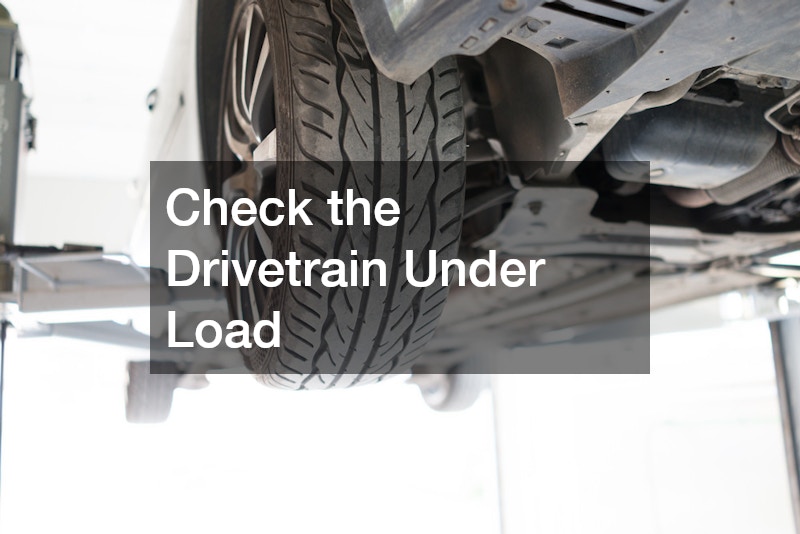
Track driving places heavy demand on the drivetrain. Acceleration, downshifting, heat, and repeated load changes can reveal issues that do not show up during normal commuting. Before your event, pay attention to how the car shifts, accelerates, and responds under load.
Automatic transmissions should shift smoothly without slipping, flaring, hesitation, or harsh engagement. Manual transmissions should go into gear cleanly without grinding, clutch chatter, or unusual resistance. If the car has a performance transmission tune, aftermarket clutch, limited-slip differential, or upgraded mounts, make sure everything feels predictable and secure.
Auto transmission service may be needed if the fluid is old, dark, burnt-smelling, or if the vehicle has delayed shifting or slipping. Transmission fluid does more than lubricate. It also helps manage heat and protect internal components. On track, heat can build quickly, especially in vehicles without upgraded cooling.
Review Cooling, Tires, and Fluids
Tires and fluids are the foundation of a successful track day. They affect grip, temperature control, braking, steering response, and reliability. A car with neglected fluids or worn tires can become unpredictable quickly.
Tire pressure should be checked before, during, and after sessions. Pressure rises as tires heat up, so bring a reliable gauge. If allowed, bring a portable compressor or air tank. You should also torque lug nuts before heading out and recheck them during the day.
Plan Safe Transport to the Event
Not every driver chooses to drive their car to the track. Trailering can make sense if the car is heavily modified, running track-focused tires, has limited street comfort, or could be difficult to drive home after a mechanical issue. It also helps preserve tires and reduce wear before the first session.
If you are considering a trailer, car trailer dealers can help you compare open, enclosed, tilt, and car hauler trailers. The right setup depends on your vehicle weight, tow vehicle capacity, travel distance, budget, storage space, and how often you attend events.
Towing preparation is just as important as car preparation. Make sure the tow vehicle is rated for the load. Check trailer tires, brakes, lights, wheel bearings, ramps, winch, and tie-down points. A poorly loaded trailer can sway, overload the tow vehicle, or create dangerous handling.
Before leaving, confirm:
- Tow vehicle capacity
- Trailer weight rating
- Trailer tire pressure
- Trailer brake function
- Lighting and wiring
- Ramp condition
- Tie-down straps
- Spare tire availability
- Proper weight distribution
Secure the car properly using approved tie-down points. Do not rely on weak suspension or body components. Loose tools, fuel containers, jacks, and wheels should also be secured. Getting to the track safely is part of the event.
Improve Visibility and Cabin Comfort

Visibility matters on track. You need clear sightlines, clean glass, working mirrors, and minimal distractions. Before the event, clean the inside and outside of the windshield. Check wiper blades, washer fluid, mirrors, and any camera mounts or interior accessories.
Auto window tint can help reduce glare and heat during travel and between sessions, but it should not compromise visibility. Make sure tint complies with local laws and event rules. A very dark tint can make it harder to see flags, corner workers, mirrors, and surrounding cars in certain lighting conditions.
Auto sound systems should be checked if the vehicle has upgraded speakers, amplifiers, subwoofers, or custom wiring. Audio upgrades are great for street driving, but heavy or loose components should be secured before track use. Exposed wiring, rattling panels, or unsecured subwoofer boxes do not belong in a performance-driving environment.
Know When a Professional Inspection Is Worth It
Some issues are easy to check at home. Others require professional inspection. If the car has been in an accident, feels unstable, pulls to one side, has unusual tire wear, or shows warning lights, have it checked before the event.
An auto collision center can inspect hidden damage after an impact. Even if the car looks fine from the outside, there may be damage behind the bumper, under the body, or around structural mounting points. Track driving is not the place to test whether a questionable repair is safe.
Professional inspection is especially important after:
- Recent collision damage
- Suspension impact
- Curb strikes
- Pothole damage
- Misaligned panels
- Uneven tire wear
- Steering pull
- Airbag or sensor warnings
- Strange vibration
A shop can check alignment, bumper supports, panel fitment, underbody damage, and sensor-related problems. If suspension components or frame points are compromised, the car may not respond predictably under load.
Pack Tools, Supplies, and Documentation
Even a well-prepared car needs basic support at the track. Pack tools and supplies the night before the event so you are not rushing in the morning. A simple kit can prevent small issues from ending your day early.
Useful items include:
- Tire pressure gauge
- Torque wrench
- Basic hand tools
- Engine oil
- Brake fluid
- Rags and gloves
- Zip ties
- Painter’s tape
- Glass cleaner
- Portable air compressor
- Jack and jack pad if allowed
- Helmet and safety gear
- Water, snacks, sunscreen, and chair
Bring your driver’s license, registration, insurance information, event confirmation, and tech inspection forms if required. Review the event rules in advance. Some organizations have specific requirements for helmets, numbers, clothing, convertible roll protection, sound limits, and passing zones.
Do a Final Walkaround Before Driving

Before your first session, do one final walkaround. Check tire pressure, torque lug nuts, look under the car for leaks, and make sure the hood, trunk, and doors are secure. Confirm that your seat, mirrors, belts, and helmet all feel right.
Between sessions, keep checking the car. Tire pressure will change, brakes will heat cycle, and fluids may move or leak under load. Pay attention to new sounds, smells, vibrations, warning lights, or changes in pedal feel.
Your final checks should include:
- Tire pressure
- Lug nut torque
- Fluid leaks
- Brake pedal feel
- Hood latch
- Trunk or hatch latch
- Fuel level
- Warning lights
- Mirror position
- Seatbelt or harness
- Loose panels
- Unusual odors
If something feels wrong, skip the session and investigate. Track time is not worth damaging the car or risking safety. A cautious decision can save the rest of your day.
Show Up Prepared and Drive Smarter
Track-day preparation is about more than going faster. It is about protecting your car, improving safety, and giving yourself the confidence to focus on learning and driving well. A careful inspection can help you catch issues before they become expensive or dangerous.
Check the exterior, brakes, drivetrain, tires, fluids, visibility, transport setup, safety gear, and cabin before the event. Take warning signs seriously, and do not hesitate to get professional help when something looks or feels questionable.
You do not need to be a professional mechanic to prepare well. You just need a consistent checklist, enough time to fix problems, and the discipline to avoid pushing a car that is not ready. When the car is prepared, the day becomes more enjoyable, more productive, and much safer.
