
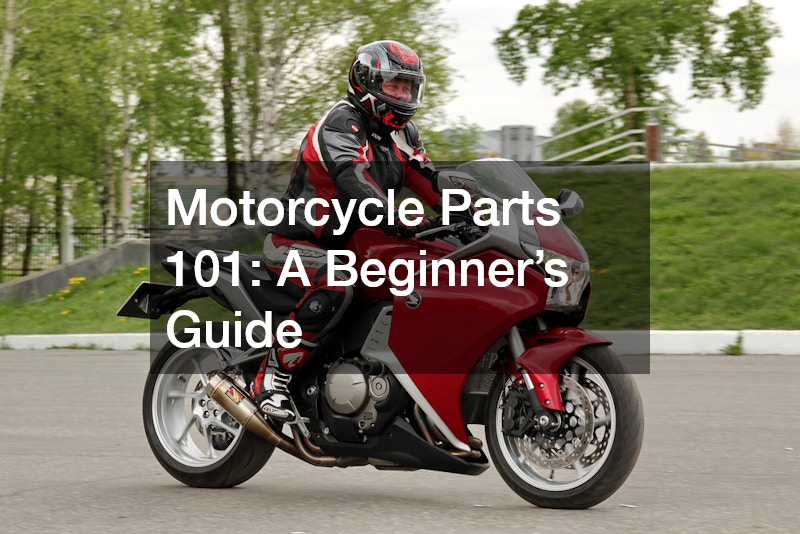
Getting started with motorcycles can feel intimidating, especially when you’re first introduced to the many components that make up a bike. Whether you’re watching a YouTube tutorial or learning hands-on, understanding the basic systems will help you become a safer and more confident rider. This guide breaks down essential motorcycle parts and explains how powersports parts work together to keep your bike running smoothly, efficiently, and safely.
Understanding the Engine and Core Performance Systems
The engine is the centerpiece of every motorcycle, and most beginner guides—including many YouTube breakdowns—start here for a reason. It’s responsible for converting fuel into mechanical energy that powers your ride.
Without a properly functioning engine and supporting components, your motorcycle simply won’t run.
Key engine-related powersports parts include pistons, cylinders, spark plugs, air filters, and fuel delivery systems such as carburetors or fuel injectors. Each of these components plays a specific role in the combustion process. For example, spark plugs ignite the fuel-air mixture, while air filters ensure only clean air enters the engine.
Many beginner videos emphasize how important routine maintenance is for these powersports parts. Even something as simple as a clogged air filter or worn spark plug can cause hard starts, poor fuel efficiency, or loss of power. Learning how to inspect and replace these basic components is one of the first steps toward understanding motorcycle maintenance.
Transmission and Drivetrain: How Power Reaches the Road
Once the engine produces power, it must be transferred to the wheels through the transmission and drivetrain system. This section is often highlighted in beginner motorcycle videos because it helps explain how shifting gears actually works.
The transmission includes the clutch, gearbox, and shifting mechanism. These powersports parts allow riders to control speed and torque by changing gears. The clutch is especially important because it temporarily disconnects engine power, making gear changes smooth and controlled.
There are three main drivetrain types found in motorcycles: chain, belt, and shaft drives. Chain-driven systems are the most common among entry-level bikes due to their affordability and ease of repair. However, they require frequent maintenance such as cleaning, lubrication, and tension adjustments—important tasks often demonstrated in beginner tutorials.
Understanding the drivetrain helps beginners diagnose issues like slipping gears, chain noise, or uneven power delivery. Keeping these powersports parts properly maintained ensures smoother rides and longer motorcycle lifespan.
Suspension, Braking, and Tires: Control and Safety Essentials
One of the most important lessons from any beginner motorcycle video is that performance means nothing without control and safety. That’s where suspension, brakes, and tires come in.
The suspension system includes front forks and rear shock absorbers. These powersports parts absorb road impact, helping keep the motorcycle stable on uneven surfaces. Without proper suspension, even small bumps can make riding uncomfortable and unsafe.
Braking systems are equally critical. Most motorcycles use disc brakes, which rely on brake pads, rotors, calipers, and hydraulic fluid. These powersports parts must be checked regularly because worn brake pads or low fluid levels can significantly reduce stopping power. Beginner riders are often encouraged to test brakes gently and inspect them frequently.
Tires are the only contact point between the motorcycle and the road, making them one of the most important powersports parts to monitor. Proper tire pressure and tread depth directly affect traction, handling, and braking distance. Many beginner guides stress checking tire condition before every ride to ensure safety.
Together, suspension, brakes, and tires form a complete control system that every rider must understand. Even small issues in any of these powersports parts can lead to major safety risks.
By familiarizing yourself with essential powersports parts, you gain the confidence to perform basic maintenance, identify potential issues, and make smarter upgrade decisions. Over time, this knowledge not only improves your riding experience but also helps extend the life of your motorcycle.