
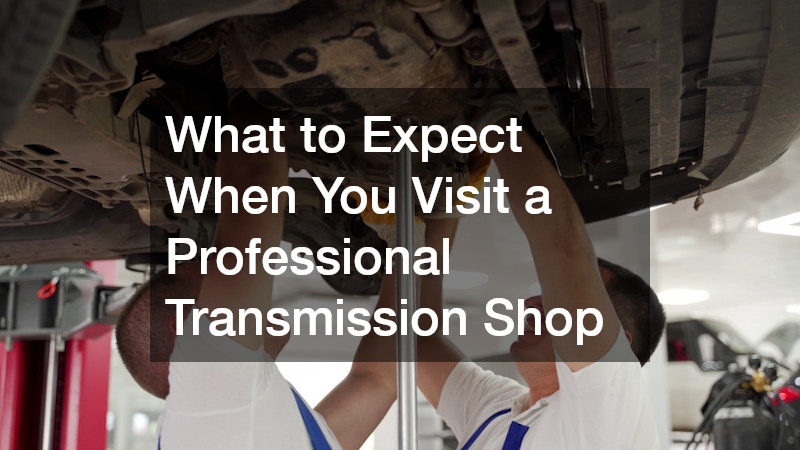
When your vehicle starts showing signs of transmission trouble, visiting a professional transmission shop can be crucial for ensuring its longevity and performance. Transmission shops specialize in the diagnostics and repair of one of the most complex components of your car, providing critical services that can save you from more costly repairs down the line. Professional transmission shops are equipped with specialized tools and highly trained technicians who understand the intricate workings of your vehicle’s transmission system.
By choosing a professional, you ensure expert attention to detail and a thorough resolution to your transmission concerns. This article will guide you through what to expect when you entrust your car to a professional transmission shop, preparing you for the process and ensuring a seamless experience.
How Do I Know If My Transmission Needs Professional Attention?
There are several warning signs that indicate your transmission may need professional attention. One common symptom is unusual noises such as grinding or whining, which can signal transmission wear or damage. Additionally, if you notice slipping gears or a delayed response when shifting, it’s time to have a professional evaluation. Furthermore, fluid leaks underneath your vehicle can suggest a problem with the seals or gaskets in your transmission system. By recognizing these signs early, you can prevent more severe damage and costly repairs in the future.
Another indication that may warrant a visit to a transmission specialist is the illumination of the check engine light on your dashboard. While this light can come on for various reasons, it often points to the necessity for diagnostic testing by skilled professionals who can decode the error codes. Additionally, burning smells or unusual vibrations emanating from the vehicle can suggest overheating or misalignment within the transmission system. Regular transmission maintenance and attention to these signs can mitigate the risk of long-term damage. The earlier you seek expert advice, the greater the chance of preserving the health of your transmission.
What Should I Expect During My Visit?
Upon visiting a professional transmission shop, the first thing to expect is a comprehensive inspection of your vehicle’s transmission. This inspection typically begins with a conversation between you and the technician to discuss the symptoms you’ve observed. Following this, the technicians will proceed with a thorough visual inspection to identify any obvious issues such as leaks or visible damage. Advanced diagnostic tools will also be hooked up to your vehicle to read error codes and analyze the transmission’s performance. The goal of this initial assessment is to gain a complete understanding of the current condition of your transmission system.
During the repair process, technicians utilize specialized tools and equipment designed for transmission work, ensuring that repairs are conducted with precision and care. Whether the issue requires minor adjustments, parts replacement, or complete overhauls, a professional shop is prepared to handle it all. Throughout your vehicle’s stay at the shop, progress updates are communicated at regular intervals, keeping you informed. Once the repairs are finalized, a test drive is typically conducted to ensure the issues have been resolved and the transmission operates smoothly. The shop will provide maintenance advice to help you keep your vehicle in optimal condition moving forward.
How Are Transmission Issues Diagnosed and Repaired?
Transmission diagnostics begin with identifying symptoms through both visual inspection and the use of diagnostic scanners. These scanners are capable of reading transmission error codes and providing insights into potential issues. Depending on the symptoms, additional tests might be performed, such as checking the transmission fluid for contamination or metal shavings, indicating wear. Professional transmission shops also utilize advanced computer analysis to thoroughly assess the transmission’s internal network. By combining both technology and expert knowledge, technicians can pinpoint the root cause of transmission issues.
After repairs have been completed, quality assurance checks are performed to ensure reliability and performance. This often includes taking the vehicle for a diagnostic test drive to confirm that the transmission operates correctly under various conditions. Moreover, professional transmission shops provide warranties on their work, giving you peace of mind in the quality and durability of the repairs. You may also receive guidance on preventive maintenance practices, such as regular fluid changes and driving habits that minimize transmission stress. These steps help maximize the longevity and efficiency of your transmission, ultimately safeguarding your vehicle’s performance.
Visiting a professional transmission shop is a decisive step in maintaining your vehicle’s health and reliability. From initial inspections to complex repairs, these experts provide vital services that ensure optimal transmission performance. Recognizing when your transmission needs attention and trusting professionals to address issues can prevent costly repairs and extend your vehicle’s lifespan. With detailed diagnostics, transparent communication, and expert repair techniques, professional transmission shops prioritize customer satisfaction and vehicle longevity. By investing in professional services, you make a commitment to your vehicle’s future, keeping it running smoothly and efficiently for miles to come.