
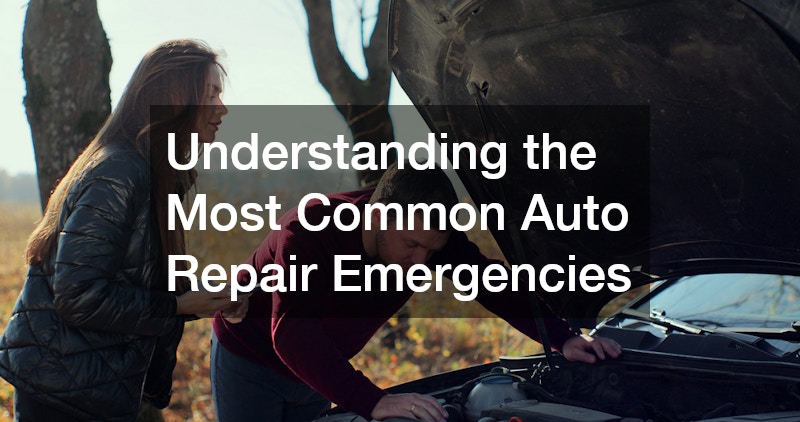
Auto repair emergencies rarely happen at a convenient time. A sudden mechanical failure, accident, or system malfunction can leave drivers feeling stressed, unsafe, and unsure of what to do next. These situations often occur during commutes, long trips, or busy schedules, making them even more disruptive. Understanding what qualifies as an emergency and how to respond can make a significant difference in protecting your safety, minimizing vehicle damage, and reducing repair costs. Many emergencies begin with small warning signs that escalate when ignored, while others occur without notice due to wear, weather conditions, or road hazards. This guide breaks down the most common auto repair emergencies, explains why they happen, and provides practical steps drivers can take to respond quickly and responsibly. Being informed allows you to stay calm, make better decisions under pressure, communicate effectively with professionals, and ensure your vehicle gets the right care when it matters most.
Recognizing Brake Failure and Responding Safely
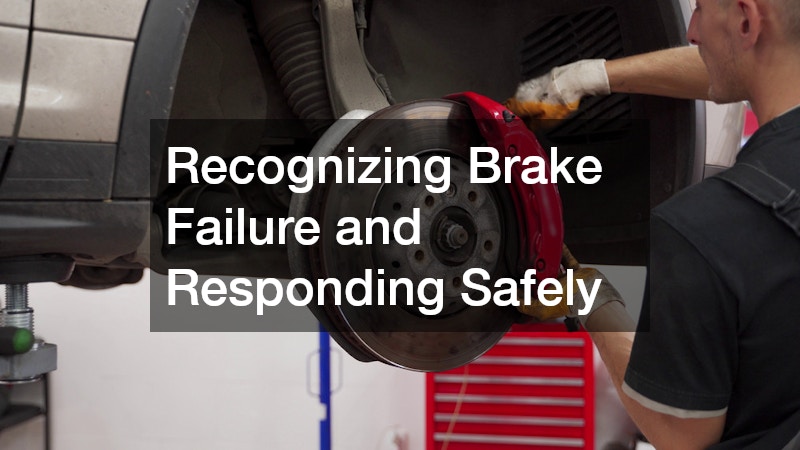
Brake problems are among the most dangerous vehicle emergencies because they directly affect your ability to stop safely. Early warning signs often include squealing or grinding noises, a spongy brake pedal, vibrations when braking, or a longer stopping distance than usual. In some cases, brakes may suddenly lose effectiveness due to fluid leaks, worn components, or overheating. Drivers may also notice warning lights or a burning smell, which often signals excessive friction or fluid loss. If you experience reduced braking power while driving, it’s critical to slow down gradually, increase following distance, and avoid sudden maneuvers. Use engine braking when possible and pull over to a safe location as soon as you can. Applying gentle, repeated braking can sometimes help regain control temporarily, but should not be relied on for long distances. Continuing to drive with compromised brakes increases the risk of accidents, damage to wheel bearings or suspension components, and higher repair costs. Professional car brake repair is necessary when braking issues persist or worsen, as trained technicians can inspect hydraulic systems, pads, rotors, calipers, and brake lines to restore safe stopping performance. Regular maintenance, including brake fluid replacement and pad inspections, can prevent many emergencies. Prompt attention not only protects you and others on the road but also prevents minor brake issues from becoming complete system failures, ensuring long-term reliability and safety.
What to Do When Your Transmission Fails Without Warning
Transmission emergencies can leave a vehicle unable to move or operate safely, often without much advance notice. Common symptoms include slipping gears, delayed acceleration, grinding noises, burning smells, fluid leaks, or sudden loss of power while driving. Some vehicles may enter a reduced-power or “limp” mode, limiting speed and acceleration to prevent further damage. If these issues occur, it’s important to avoid forcing the vehicle to continue operating, as this can cause severe internal damage to gears, clutches, or the torque converter. Safely pull over, turn off the engine, and allow the system to cool before making further decisions. Checking transmission fluid levels and condition can provide early clues to potential problems, but it should only be done when the engine is cool. In many cases, continued driving can turn a repairable problem into a total system failure. For vehicles experiencing extensive internal damage or complete loss of function, transmission replacement may be the most reliable solution. While this is a major repair, it restores drivability, prevents repeated breakdowns, and protects other drivetrain components from collateral damage. Understanding when a transmission problem crosses into emergency territory helps drivers make informed decisions that protect both the vehicle and its occupants, reducing stress and costly repairs.
Handling Accidents and Vehicle Damage After a Crash
Accidents are among the most stressful auto emergencies, especially when damage is severe or injuries are involved. After ensuring everyone’s safety and contacting emergency services if needed, drivers should move vehicles out of traffic when possible and activate hazard lights. Remaining calm, checking on passengers, and being aware of surroundings reduces the risk of secondary accidents or further injuries. Even minor collisions can cause hidden structural damage that isn’t immediately visible. Bent frames, compromised crumple zones, misaligned components, or damage to suspension and steering can affect how a vehicle handles in future situations. Modern vehicles may also have damaged sensors, airbags, or safety systems that require recalibration. Documenting the damage with photos, notes, and witness statements is essential for insurance claims, repair planning, and potential legal matters. Professional collision repair goes beyond cosmetic fixes, restoring structural integrity, safety features, and alignment so the vehicle performs as designed in future impacts. Addressing accident damage properly is critical not only for appearance but also for long-term safety, drivability, and peace of mind on the road.
Dealing With Sudden Suspension or Steering Problems
Suspension and steering systems are responsible for maintaining control, stability, and comfort while driving. When these systems fail, drivers may notice pulling to one side, excessive bouncing, uneven tire wear, unusual noises like clunks or squeaks, or difficulty steering. Some issues develop gradually due to worn shocks, struts, or bushings, while others occur suddenly from broken components, potholes, or collisions with road debris. Sudden suspension problems can make a vehicle unpredictable, especially at highway speeds, during turns, or when braking. If steering becomes unstable, reduce speed gradually, avoid sharp movements, and pull over as soon as possible. Driving slowly and steadily can help maintain control long enough to reach safety. Continuing to drive with compromised suspension can lead to loss of control, uneven tire wear, and damage to other components like ball joints or tie rods. Regular inspections, timely alignment checks, and replacing worn parts prevent emergencies and improve ride quality. Timely suspension repair helps restore proper alignment, handling, and ride comfort while preventing secondary damage. Addressing these issues quickly ensures safer driving conditions and reduces the likelihood of more extensive and costly repairs later.
Responding to Broken or Damaged Auto Glass While Driving
Auto glass damage may seem minor compared to mechanical failures, but it can quickly become a safety hazard. Cracked windshields can obstruct visibility, weaken structural support during accidents, and worsen due to temperature changes or road vibrations. Even small chips can spread rapidly once stress is applied, especially when driving on rough roads or in extreme weather. Side or rear window damage exposes passengers to debris, weather, and road noise, increasing distraction and risk while driving. If glass damage occurs, drivers should assess whether visibility is compromised and avoid driving if conditions are unsafe. Wearing eye protection and avoiding high speeds can reduce risk temporarily, while ensuring passengers remain seated and away from broken glass. Temporary measures, such as covering openings with tape or plastic sheeting, may help short-term but are not permanent solutions. Seeking a professional auto glass repair service ensures proper sealing, structural integrity, and compliance with safety standards. Prompt repairs prevent further cracking, maintain the vehicle’s protective design, and safeguard occupants during both routine driving and collisions.
Emergency Breakdowns Involving Larger and Commercial Vehicles
Larger vehicles face unique challenges during emergencies due to their size, weight, and mechanical complexity. Breakdowns involving trucks often require specialized handling, particularly when they occur on highways, loading zones, or job sites. Issues such as overheating, brake failure, or drivetrain problems can escalate quickly because of increased load demands and longer stopping distances. Drivers of larger vehicles must prioritize safety by securing the area, using warning devices, and maintaining visibility to other motorists. Attempting roadside repairs without proper equipment can be dangerous. Professional truck repair services are essential in these situations, as they have the tools and training to diagnose heavy-duty systems accurately. Prompt response helps minimize downtime, protects cargo, and reduces the risk of further mechanical damage or road hazards.
Diesel Vehicle Emergencies and Component Failures
Diesel engines are known for durability, but when emergencies occur, they can be complex and costly. Common diesel-related issues include fuel injector failures, turbocharger problems, and contamination within the fuel system. These problems can lead to sudden power loss, excessive smoke, rough operation, or complete engine shutdowns. Cold weather and poor fuel quality often worsen diesel-related failures. Diesel systems operate under high pressure and tight tolerances, making improper repairs risky and potentially damaging. Using incorrect components can worsen damage and compromise long-term performance. Access to proper diesel parts during emergency repairs ensures compatibility, reliability, and correct engine function. Understanding the unique demands of diesel systems helps drivers and operators respond appropriately, avoid unnecessary downtime, and reduce the likelihood of repeated breakdowns.
Handling Emergencies in Luxury and Import Vehicles
Luxury and import vehicles often incorporate advanced technology and specialized components that require precise diagnostics. During emergencies, these vehicles may display warning lights, electronic malfunctions, or performance limitations designed to prevent further damage. These systems can be confusing for drivers unfamiliar with their functions, and attempting to bypass alerts or perform quick fixes can worsen problems. Visiting general repair shops without experience on these models may result in misdiagnosis, costly errors, or voided warranties. Professional acura repair services and similar specialists understand manufacturer-specific requirements, software, and high-precision components, enabling them to identify issues accurately and restore functionality safely. Seeking specialized care during emergencies ensures proper system resets, reliable performance, and adherence to safety standards. This approach also protects long-term vehicle value, prevents recurring failures, and reduces downtime. Informed decision-making is especially important for high-end vehicles, where precision, calibration, and technical expertise directly affect safety, drivability, and overall ownership experience.
When You Need Immediate Roadside Assistance
Not all vehicle problems can be safely addressed on the roadside. Situations such as engine failure, severe leaks, or loss of braking or steering require immediate action to protect everyone involved. Drivers should move to a safe location, activate hazard lights, and remain visible to other motorists. Using reflective markers, cones, or warning triangles, as well as standing well away from traffic, can further reduce risk. Knowing when to stop driving is critical, as continuing can cause accidents, worsen mechanical damage, or put passengers in danger. Emergency towing provides a safe way to transport the vehicle to a repair facility without risking further harm, while also preventing mechanical components from being stressed beyond safe limits. Drivers should keep an updated list of trusted towing services, ensure their phone is charged, and review roadside assistance coverage in advance. Being prepared with contact information, knowing insurance or warranty options, and remaining calm helps drivers respond efficiently, make better decisions, and maintain safety during high-pressure situations.
Fuel System Emergencies and Leak Hazards
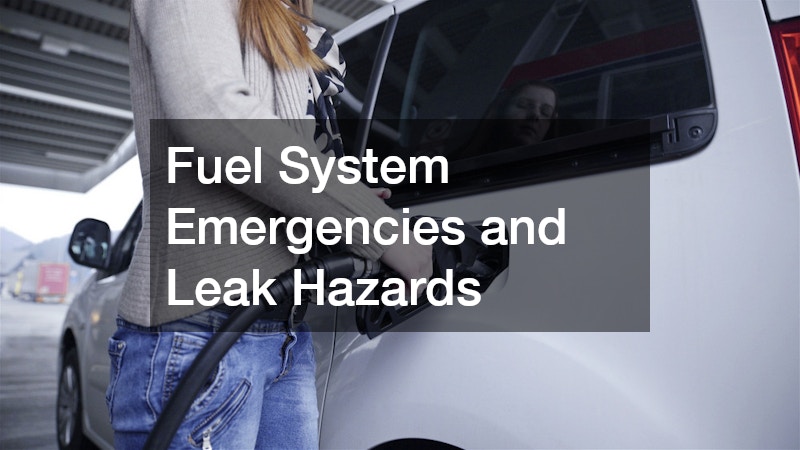
Fuel-related emergencies pose serious safety risks due to flammability and environmental hazards. Warning signs include strong fuel odors, visible leaks beneath the vehicle, reduced fuel efficiency, or engine performance issues such as hesitation or stalling. In some cases, dashboard warnings may also appear. If a fuel leak is suspected, drivers should turn off the engine immediately and avoid sparks, smoking, or open flames. Moving away from traffic and alerting others is also important. Keeping a fire extinguisher nearby can add an extra layer of safety, particularly when traveling in remote areas. Even small leaks can escalate quickly if ignored, especially in hot conditions or near combustible materials. Damage to the fuel tank, fuel lines, or injectors requires prompt professional attention to prevent fires, contamination, or further system failure. Having a trusted repair shop or roadside service lined up in advance helps ensure quick response. Addressing fuel system emergencies quickly protects both occupants and surrounding property while ensuring the vehicle can be safely repaired and returned to service, preventing long-term mechanical issues.
Auto repair emergencies are unpredictable, but understanding their causes and responses can significantly reduce risk and stress. Recognizing warning signs, prioritizing safety, and knowing when to seek professional help are essential skills for every driver. From mechanical failures to accident damage, informed decisions help prevent minor issues from becoming major problems. While emergencies can be disruptive, preparation and awareness allow drivers to respond with confidence rather than panic. Keeping your vehicle properly maintained, staying alert to unusual sounds or performance changes, and having a clear plan for emergencies all contribute to safer outcomes. By staying attentive to your vehicle’s condition and acting promptly when issues arise, you can protect your safety, preserve your vehicle’s reliability, and navigate unexpected breakdowns with greater peace of mind and control.
