Selecting the right window tint for your car is about more than just improving its appearance. The choice affects comfort, privacy, energy efficiency, and compliance with local regulations, while also influencing safety, interior longevity, and overall driving experience. With a wide variety of options available, understanding legal restrictions, material types, and functional benefits is essential.
This guide will help you make an informed decision that balances aesthetics, safety, performance, and long-term value for your vehicle.
What are the Legal Regulations for Window Tints?
Laws regarding window tint vary significantly by state and region. These laws often specify the maximum darkness allowed, typically measured as Visible Light Transmission (VLT). Some states permit darker tints only on rear windows, while others restrict any tint on the front windshield. These regulations exist to ensure drivers maintain sufficient visibility and that law enforcement can see into vehicles when necessary.
Failing to comply with these regulations can result in fines, mandatory removal of the tint, and even vehicle inspection issues. Beyond legal consequences, extremely dark tints can reduce visibility and increase the risk of accidents, especially at night or in low-light conditions. Choosing a window tint that adheres to your local rules allows you to enjoy the benefits of tinting without compromising safety.
To verify the regulations in your area, consult your state’s Department of Motor Vehicles or official traffic law documentation. Many states provide online resources detailing maximum VLT percentages and reflective limitations. Checking these details before purchasing or installing tint can prevent unnecessary costs and legal complications.
What Type of Window Tint Is Best for My Needs?
The climate where you live plays a crucial role in determining the most effective type of tint. In hot and sunny regions, a tint with high heat rejection, such as ceramic or metallic films, can significantly reduce interior temperatures and protect seats, dashboards, and other surfaces from sun damage. In cooler climates, lighter tints may provide adequate comfort without overly darkening the windows.
Balancing privacy and visibility is another important consideration. Many people choose window tint to increase privacy, but tints that are too dark can hinder nighttime driving and make it more difficult to see surrounding vehicles or pedestrians. A well-chosen tint maintains a balance between opacity for privacy and clarity for safety.
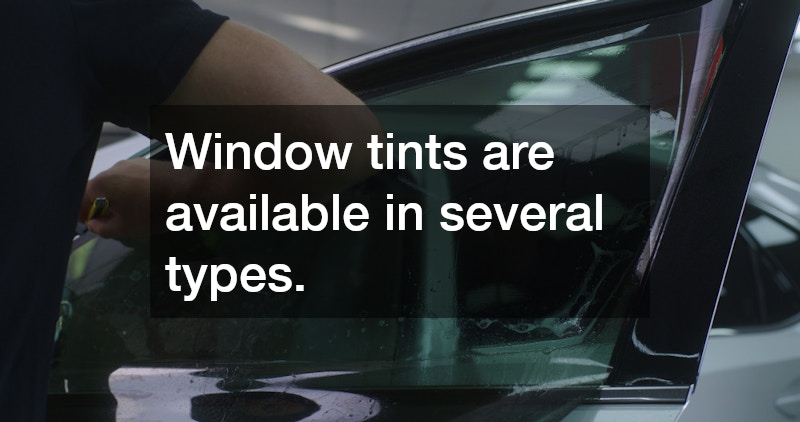
Window tints are available in several types, each with unique advantages. Dyed films offer a uniform dark appearance and basic UV protection, while metallic films contain tiny particles that reflect heat and improve durability. Ceramic films, the most advanced option, provide superior heat rejection and UV protection without compromising visibility or interfering with electronic signals. Understanding these differences can help you select the tint that best fits your priorities, whether you value aesthetics, comfort, or long-term performance.
What Are the Benefits of Window Tints?
One of the primary benefits of installing a window tint is protection from harmful UV rays. High-quality tints can block up to 99% of ultraviolet radiation, preventing interior fading and protecting the skin of passengers. This makes window tinting not only a cosmetic enhancement but also a health-conscious choice.
Window tints also improve comfort and energy efficiency. By reducing glare from the sun, they minimize eye strain for both drivers and passengers. Limiting heat transfer into the vehicle decreases reliance on air conditioning, which can lower fuel consumption and make driving more comfortable. This is particularly advantageous during long trips or in regions with extreme heat.
In addition to comfort and UV protection, window tints can enhance security and safety. They make it more difficult for potential thieves to see inside the vehicle, protecting valuables from view. Certain films are designed to hold shattered glass together in the event of a break, reducing the risk of injury from flying glass and adding an extra layer of protection during accidents.
Choosing the right window tint involves careful consideration of legal constraints, personal needs, and functional benefits. Climate, desired privacy levels, and material type all play a role in selecting the most suitable tint for your car. By understanding these factors, you can enhance comfort, reduce energy consumption, improve safety, and maintain compliance with local laws. A well-chosen window tint not only improves the vehicle’s appearance but also contributes to a safer, more enjoyable driving experience.